Introduction
Imagine two people with the same qualification, education, and knowledge applying for the same opportunity. What makes one stand out? The answer often lies in their skills—the ability to apply knowledge, communicate effectively, solve problems, work with others, and adapt to new situations. In today’s rapidly changing world, where technology and industries continue to evolve, developing the right skills has become more important than ever. Whether you are a student preparing for your first job, a professional planning your career, or someone interested in personal growth, building practical skills can open new opportunities. This blog explores the importance of skills, their different types, effective ways to develop them, and the abilities that can help you prepare for the future.
TL;DR summary
Skills turn knowledge into action. Developing technical, communication, problem-solving, creative, and digital skills helps you build confidence, improve career opportunities, adapt to changes, and prepare for the future. With consistent practice and continuous learning, anyone can develop the skills needed for personal and professional growth.
What Are Skills? Understanding the Basics
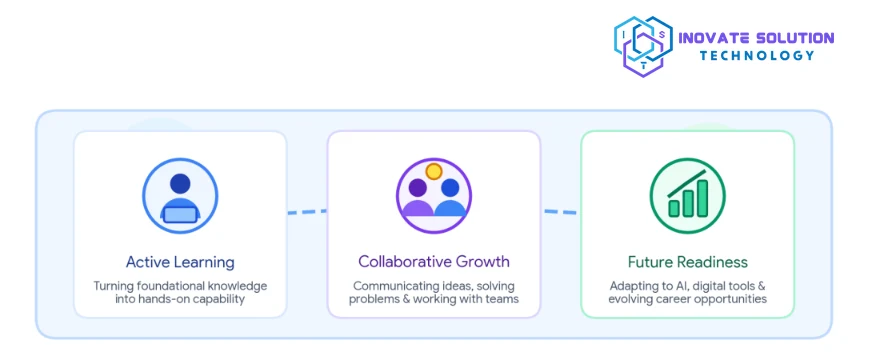
Skills are abilities that help us complete tasks effectively using our knowledge and experience. We develop them through learning, practice, and everyday activities.For example, learning programming concepts gives you knowledge, but creating an application using those concepts demonstrates your programming skills. Similarly, knowing the rules of communication is useful, but confidently expressing your ideas shows that you can apply them.
In simple words, knowledge tells us what to do, while skills help us understand how to do it.
Why Are Skills Important in Today's World?
Skills play an important role in both personal and professional life. They help us handle different situations and make better decisions.
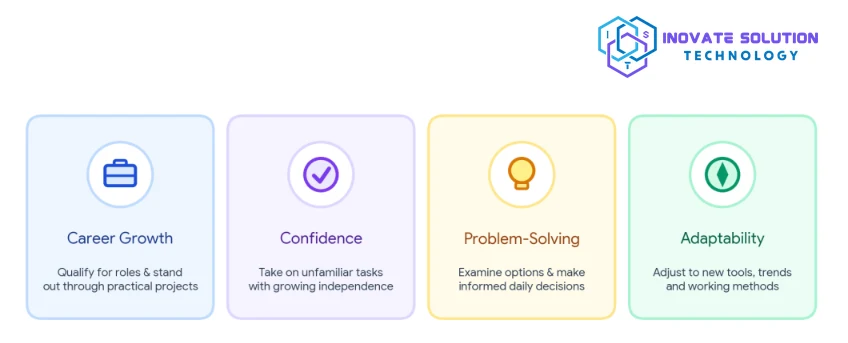
Some important benefits include: • Better career opportunities: Employers value people who can complete tasks, communicate well, and work with others. • Improved confidence: Learning something new helps you become more confident in handling different responsibilities. • Better problem-solving: Skills help you understand challenges and find suitable solutions. • Adaptability: Developing new abilities makes it easier to adjust to changes in technology and the workplace. • Personal growth: Skills help improve the way we think, communicate, and manage everyday activities.
Different Types of Skills
There are different types of skills, and each one is useful in its own way.
1. Technical Skills - These are skills related to a particular job or field. Examples include programming, data analysis, graphic design, video editing, and database management. 2. Soft Skills - Soft skills help us communicate and work effectively with others. Communication, teamwork, leadership, time management, and emotional intelligence are some common examples. 3. Digital Skills - Digital skills help us use technology confidently and safely. Using online tools, working with cloud platforms, understanding cybersecurity, and using AI tools responsibly are examples. 4. Transferable Skills - These are skills that can be used in different jobs and situations. Critical thinking, writing, research, presentation, and decision-making are useful examples.
All these skills are important. Having a combination of technical knowledge and good interpersonal skills can help you perform better in different situations.
Essential Skills Everyone Should Develop
Some skills are useful in almost every field. Here are six important ones:
• Communication: The ability to express ideas clearly, listen carefully, and understand others. • Critical Thinking: The ability to analyse information, understand problems, and make thoughtful decisions. • Creativity: Thinking of new ideas and finding different ways to complete tasks. • Adaptability: Being open to change and learning how to handle new situations. • Digital Literacy: Understanding how to use digital tools, find reliable information, and stay safe online. • Teamwork: Working with others, sharing responsibilities, respecting opinions, and achieving common goals.
These skills support one another. For example, good communication improves teamwork, while critical thinking helps people make better decisions.
How to Develop New Skills
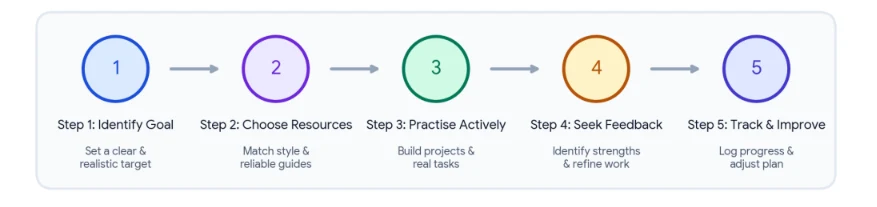
Developing skills does not happen overnight. It takes regular practice, patience, and a willingness to learn. Here are five simple steps to get started:
1. Set a Clear Goal - Decide which skill you want to improve. It could be communication, programming, time management, or public speaking. Start with one goal instead of trying to learn everything at once. 2. Choose the Right Learning Resources - Use online courses, videos, books, tutorials, and guidance from teachers or mentors. Choose resources that match your learning needs. 3. Practise Regularly - Reading and watching tutorials are not enough. Apply what you learn through small projects and practical activities. 4. Get Feedback - Ask teachers, friends, or mentors to review your work. Their suggestions can help you understand what you are doing well and what needs improvement. 5. Track Your Progress - Keep track of what you learn and practise. Set small targets and review your progress regularly.
Remember, even spending 15–20 minutes a day learning something new can help you build a useful habit.
Common Challenges in Learning New Skills
Learning a new skill can sometimes be difficult. Many people face challenges such as lack of time, fear of making mistakes, too many learning resources, and losing motivation.The best way to overcome these challenges is to start small. Create a simple learning schedule, choose one reliable resource, practise regularly, and learn from mistakes. Do not expect immediate results. Focus on improving step by step.
Skills That Will Shape the Future
As technology continues to develop, some skills are becoming increasingly valuable. Artificial intelligence, data literacy, cybersecurity awareness, analytical thinking, creativity, and adaptability are important areas to explore.However, you do not need to learn every new technology or follow every trend. Choose skills that match your interests and future goals. The most important ability is being willing to learn and improve continuously.
Conclusion: Start Learning Today
Your future is shaped not only by what you know today but also by what you are willing to learn tomorrow. Developing new skills does not require becoming an expert overnight. It starts with one small step.Choose a skill, set a goal, practise regularly, and keep improving. Every new ability you develop can bring you closer to your personal and professional goals.Learn something new. Build something meaningful. Keep growing.
Frequently asked questions
Can anyone develop new skills?
Yes. With regular practice, patience, and proper guidance, anyone can improve their skills.
Which skills are important for students?
Communication, teamwork, problem-solving, digital literacy, and technical skills are useful for students.
Are technical skills more important than soft skills?
Both are important. Technical skills help you perform specific tasks, while soft skills help you communicate and work effectively with others.
How can I improve my skills every day?
Spend time learning, practise what you have learned, work on small projects, and ask for feedback.
Do I need expensive courses to develop skills?
No. Free online tutorials, educational websites, books, and practical projects can also help you learn.

Keerthika R
Full stack developerInterested in exploring new skills, simplifying complex ideas, and creating useful learning content.Focuses on making knowledge accessible, practical, and engaging for readers.
Join the conversation
Be the first to share your thoughts.